Receiving a denial or partial denial after a storm damage claim can be frustrating, especially when you believe the damage is real and should be addressed.
A denial does not always mean there is nothing else to do.
The first step is understanding exactly why the insurance company made that decision.
If part of your claim was denied, ask for a clear written explanation. Then compare that explanation with the policy, inspection findings, and available documentation.
From there, you can decide what information may need to be gathered or reviewed.
Ask Why the Claim Was Denied
Homeowners should understand what evidence, observations, or policy provisions were used when the insurance company made its decision.
Do not be afraid to ask specific questions.
For example:
- What damage was denied?
- Why was it denied?
- What evidence was used?
- Was the decision based on condition, cause, wear and tear, or another reason?
- Was a specific policy provision referenced?
- Was part of the property excluded while another part was approved?
The clearer the explanation is, the easier it becomes to understand what the disagreement actually involves.
Can I Submit Additional Evidence After a Denial?
Often, yes.
Additional information may help support a request for reconsideration.
Useful documentation may include:
- Photos
- Contractor reports
- Expert opinions
- Repairability information
- Receipts
- Measurements
- Material information
- Other construction-related documentation
The insurance company can then decide whether the new information changes its original decision.
There is no guarantee that submitting more information will change the outcome, but clear documentation can help make the issue easier to evaluate.
Can I Request Another Inspection?
You can ask.
If new information is available or additional damage has been identified, homeowners can ask whether a reinspection or second review is available.
A request for another inspection may be especially useful when:
- New damage has been documented
- Repairability concerns have been identified
- Additional materials are affected
- A contractor has found something that was not addressed
- There is a specific disagreement about scope
Providing organized documentation before the reinspection can help keep the discussion focused.
What If the Adjuster and Contractor Disagree?
This happens.
The most helpful approach is usually to narrow the disagreement down to the specific issue.
Ask both sides to clearly document their positions.
The disagreement may involve:
- Materials
- Quantities
- Repair methods
- Measurements
- Damage findings
- Installation requirements
- Repairability
Many disputes are easier to understand when the issue is reduced to a specific construction question rather than a general disagreement.
For example, instead of saying “the roof should be replaced,” the contractor should be able to explain what specific condition makes the approved repair difficult or impractical.
What If the Insurance Company Says the Damage Is Wear and Tear?
Ask for the basis of that conclusion.
Wear and tear and storm damage are not the same thing, so understanding why the insurance company reached that conclusion matters.
Compare the explanation with available evidence showing the condition of the property before and after the storm.
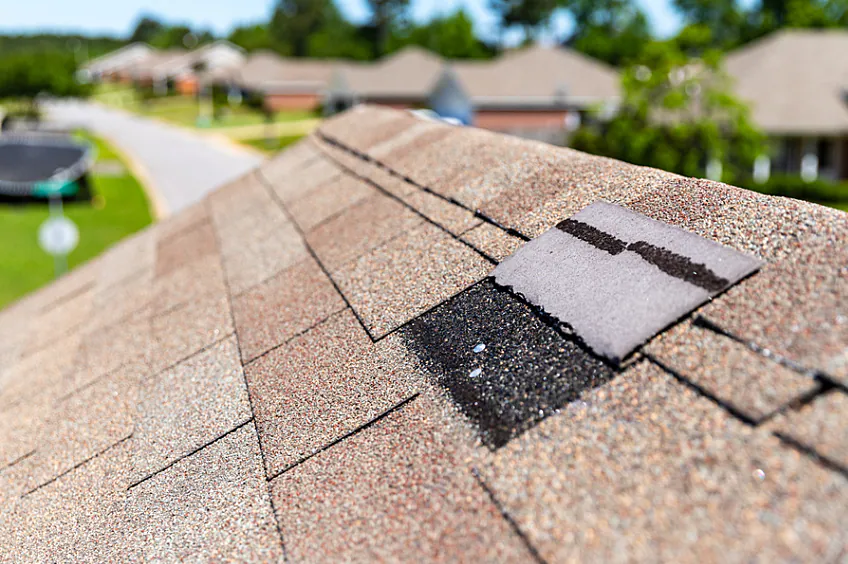
Photos taken shortly after the event can be especially helpful.
Other useful information may include contractor observations, prior property photos, maintenance records, or material condition documentation.
What If Only Part of the Damaged Area Was Approved?
Ask why the remaining area was excluded.
There may be differences involving:
- Cause of damage
- Material condition
- Scope
- Location
- Direct physical damage
- Repairability
The reason should be clearly explained so you understand why one area was approved and another was not.
That explanation can help determine whether additional documentation is needed.
Can a Denied Item Ever Be Reconsidered?
Yes, depending on the circumstances.
New documentation or clarification may lead to additional review.
That does not mean the decision will automatically change, but a denied item is not necessarily beyond review simply because the first decision was unfavorable.
The most useful requests for reconsideration are usually supported by specific new information.
What Kind of Documentation Is Most Helpful?
Good documentation should be clear, organized, and tied directly to the disputed issue.
Helpful items may include:
- Close-up photos
- Wide-angle photos showing location
- Measurements
- Contractor inspection notes
- Repairability findings
- Material identification
- Manufacturer instructions
- Damage descriptions
- Before-and-after photos
- Expert reports when appropriate
Instead of sending a large pile of unrelated information, focus on the materials that directly explain why the disputed item deserves another look.
When Should I Consider Outside Professional Help?
Some disagreements are more complicated than a contractor should handle.
If the dispute involves policy interpretation, significant financial exposure, structural concerns, or a major disagreement that cannot be resolved, it may be appropriate to speak with a qualified professional.
Depending on the issue, that may include:
- A public adjuster
- Engineer
- Attorney
- Other licensed professional
The right professional depends on what the dispute is actually about.
Can My Contractor Interpret My Insurance Policy?
A contractor can explain the construction side of the project.
That may include:
- Damage observations
- Repair requirements
- Material conditions
- Installation methods
- Repairability
- Construction costs
But legal or insurance coverage interpretation should be handled by the appropriate licensed professional.
That distinction is important.
Your contractor can document what is damaged and explain what may be needed to repair it properly.
The insurance company determines coverage under the policy, and legal questions should be handled by someone qualified to provide that advice.
A Denial Should Be Understood Before You Move On
The most important thing after a denial or partial denial is understanding exactly what was denied and why.
Once you know the reason, you can determine whether additional photographs, contractor documentation, repairability information, expert findings, or another inspection may be helpful.
The goal is not to argue simply because you disagree with the outcome.
The goal is to make sure the construction facts are clearly documented and that you understand the basis for the insurance company’s decision.
Need Help Documenting the Construction Side of a Storm Damage Claim?
American Quality Homes can inspect storm-damaged roofing and exterior components, document construction-related damage, provide photographs, explain repair requirements, and identify concerns that may deserve additional review.
Our role is to help explain and document the construction side of the project.
For questions, contact American Quality Homes at 920-659-0012.
Come home to quality.
Previous in the Series: Insurance Only Approved a Repair
If your insurance company approved a repair but you are concerned that the repair may not actually be practical, read the previous article in this series:
Previous Article: Insurance Only Approved a Roof Repair: What If the Repair Won’t Work?
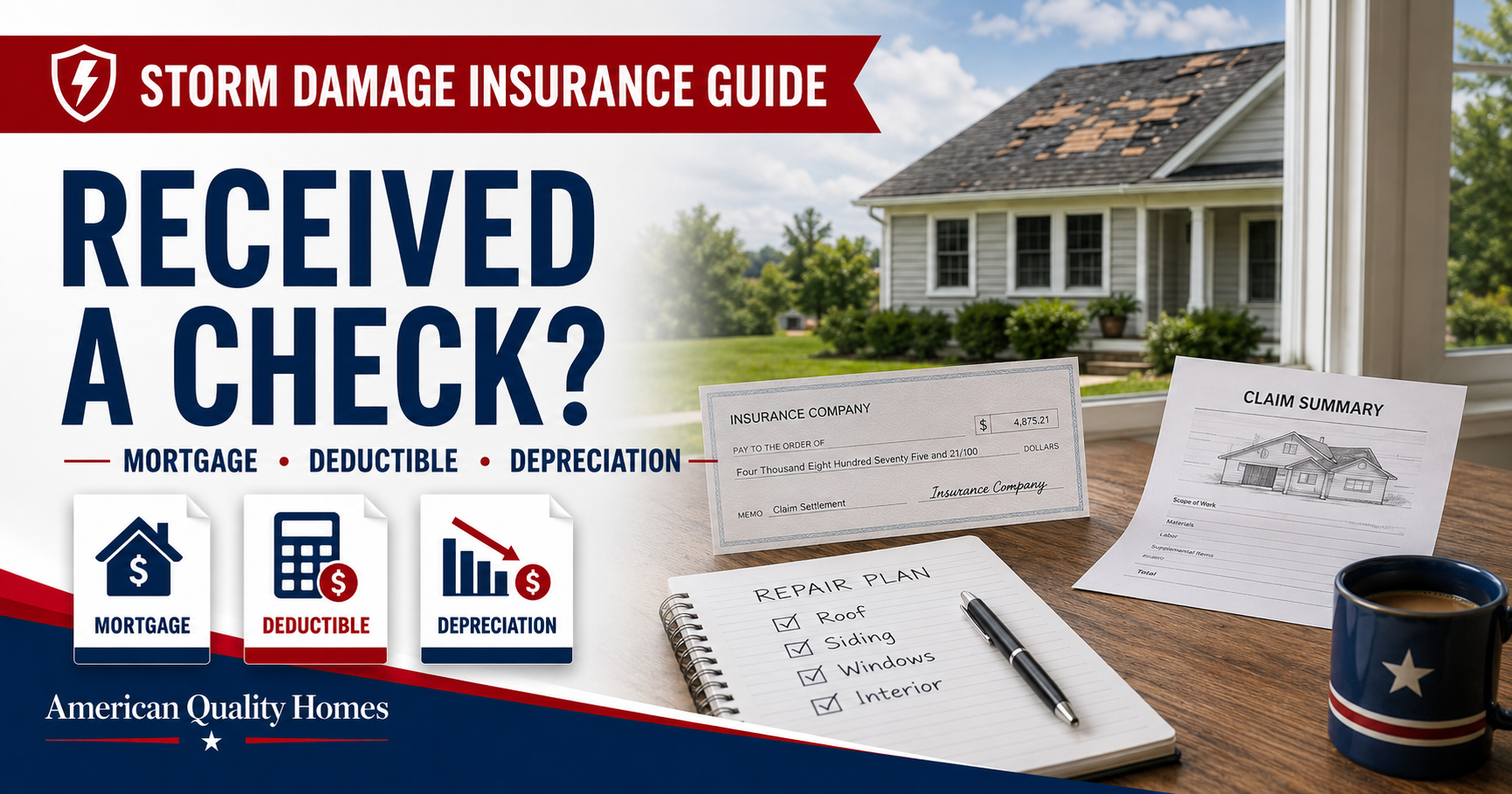
Next in the Series: I Already Received a Check. Now What?
Receiving an insurance payment can create a whole new set of questions.
Why is the mortgage company listed on the check? When should the contractor be paid? How does recoverable depreciation work? What happens if repairs cost more or less than the insurance estimate?
In the next article, we break down what homeowners should know after the first insurance payment arrives.
Next Article: I Received an Insurance Check for My Roof — What Do I Do Next?
Previous Article: Insurance Only Approved a Roof Repair: What If the Repair Won’t Work?