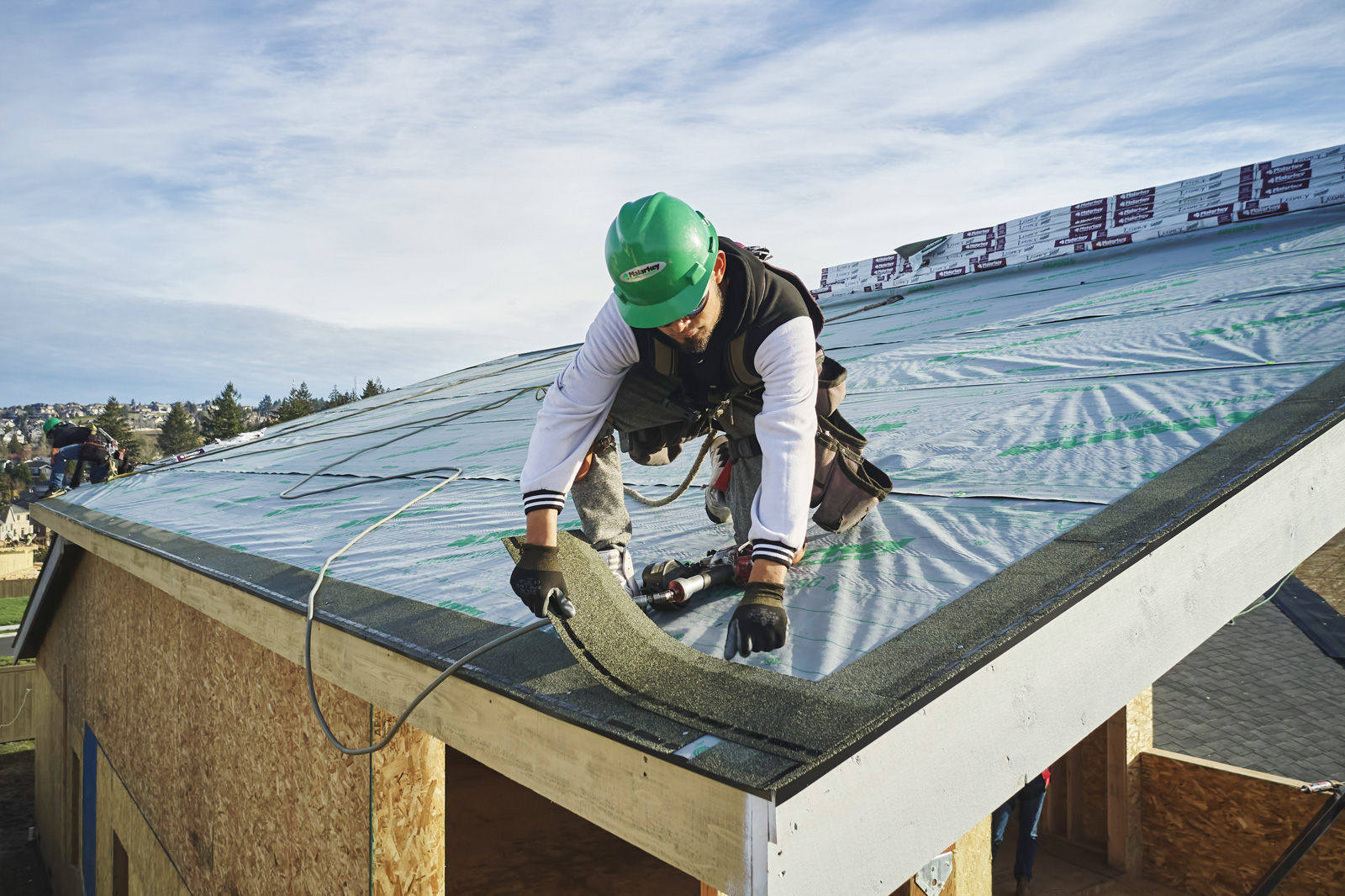
When a powerful storm rolls through, most homeowners focus on the immediate impact—loud hail striking the roof, heavy rain pounding the windows, and strong winds shaking the structure. But what many don’t realize is that the real damage often reveals itself long after the skies clear. Your roof, the first line of defense against the elements, can suffer significant and sometimes invisible damage from heavy rain and hail.
How Heavy Rain Affects Your Roof
Heavy rain might seem harmless compared to hail or wind, but prolonged or intense rainfall can expose weaknesses in your roofing system.
1. Water Intrusion
If your roof already has minor vulnerabilities—like cracked shingles, worn flashing, or clogged gutters—heavy rain can push water into places it doesn’t belong. Over time, this can lead to leaks, mold growth, and structural rot.
2. Gutter Overload
During intense storms, gutters can become overwhelmed or clogged with debris. When water can’t properly drain, it backs up onto the roof, increasing the risk of seepage under shingles.
3. Underlayment Damage
Even if shingles appear intact, persistent rain can wear down the protective underlayment beneath them, reducing your roof’s long-term durability.
The Impact of Hail: Small Stones, Big Problems
Hail is one of the most damaging weather events for roofing materials. Even small hailstones can cause serious issues.
1. Shingle Bruising and Cracking
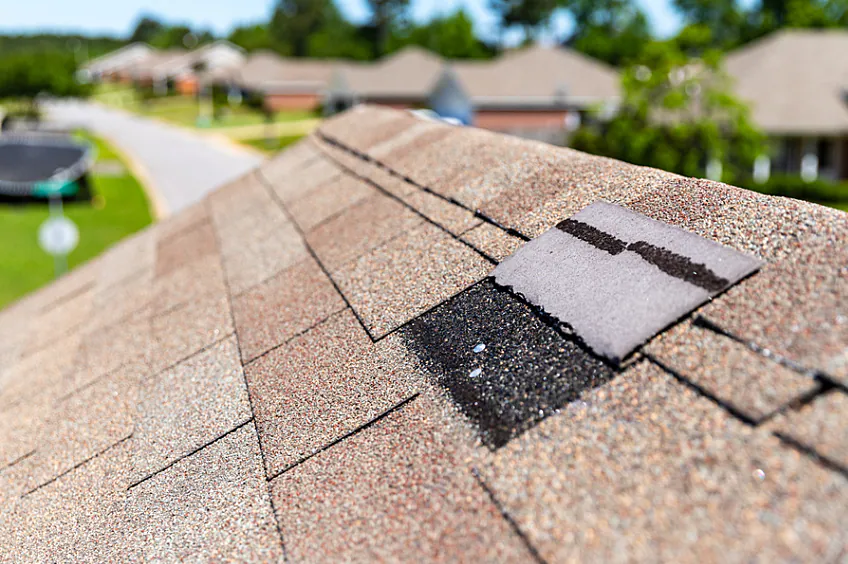
Hailstones strike with force, causing dents or “bruising” in asphalt shingles. These weak spots may not leak immediately but can deteriorate over time, leading to future leaks.
2. Granule Loss
The protective granules on shingles help shield against UV rays and weather. Hail can knock these granules loose, exposing the underlying material and accelerating wear.
3. Damage to Flashing and Vents
Metal components like flashing, vents, and skylights are especially vulnerable. Dents and cracks can compromise their ability to keep water out.
Warning Signs After a Storm
After a heavy rain or hailstorm, it’s important to inspect your home for signs of damage. Look for:
- Missing, cracked, or dented shingles
- Granules collecting in gutters or downspouts
- Water stains on ceilings or walls
- Dents on metal roof components
- Leaks in the attic or musty odors
Some damage isn’t visible from the ground, which is why a professional inspection is often necessary.
Why Immediate Action Matters
Roof damage rarely fixes itself. Small issues can quickly escalate into costly repairs if ignored. A minor leak today could turn into major water damage, insulation problems, or even structural issues down the road.
Additionally, insurance claims often have time limits. Promptly documenting and addressing storm damage ensures you don’t miss out on potential coverage.
Preventing Future Damage
While you can’t control the weather, you can take steps to protect your roof:
- Schedule regular roof inspections (especially after storms)
- Keep gutters clean and free of debris
- Trim overhanging branches
- Invest in impact-resistant roofing materials
- Address minor repairs before they become major problems
Final Thoughts
Heavy rain and hail may only last minutes, but their impact on your roof can last for years. Staying proactive—through inspections, maintenance, and timely repairs—can save you thousands of dollars and protect your home from long-term damage.
If your area has recently experienced severe weather, it’s worth taking a closer look. Your roof might be telling a story you can’t yet see—but catching it early makes all the difference.