Sometimes an insurance company acknowledges that storm damage occurred but only approves a repair instead of full replacement.
That can leave homeowners wondering what happens if the repair is not actually practical.
Maybe the existing shingles are too brittle to work with.
Maybe the siding profile is no longer available.
Maybe the new material will not match the existing material.
Or maybe completing the repair properly requires removing surrounding materials that could break in the process.
An insurance estimate may identify the work that has been approved, but the actual repair still needs to be technically sound and completed according to accepted installation practices and manufacturer requirements.
If a repair does not appear feasible, the next step is usually documentation.
What If My Contractor Says the Roof Cannot Be Properly Repaired?
If your contractor believes the approved repair cannot be completed properly, ask them to document why.
Useful documentation may include:
- Detailed photographs
- Repairability testing
- Manufacturer information
- Written explanations
- Material identification
- Installation requirements
That information can help explain why the proposed repair may not be practical and can be provided to the insurance company for further review.
The goal is not simply to disagree with the estimate. The goal is to clearly explain the construction issue.
What Does “Repairability” Mean?
Repairability refers to whether damaged material can reasonably be repaired without causing additional problems.
For roofing, that can involve whether surrounding shingles can be lifted, loosened, removed, and reinstalled without cracking or breaking.
For siding, it may involve whether panels can be unlocked, removed, and replaced without damaging nearby pieces.
Materials that have aged, become brittle, or are tightly integrated into surrounding components may be more difficult to repair than newer materials.
If the repair process itself is likely to damage surrounding material, that can become an important part of the discussion.
Can an Old Shingle or Siding Product Still Be Available?
Sometimes.
But product availability changes over time.
A shingle, siding profile, color, or product line may be:
- Discontinued
- Difficult to locate
- Manufactured differently than the original
- Available only in limited quantities
- Visually different from what is already installed
Even when a product with the same name still exists, changes in manufacturing, color, texture, or design can affect how closely it matches the existing material.
That is why material identification can be an important part of evaluating a proposed repair.
What If the Replacement Material Does Not Match?
Matching concerns can involve much more than color.
Differences may include:
- Color
- Size
- Profile
- Texture
- Exposure
- Thickness
- Manufacturing differences
Whether additional replacement is covered depends on the insurance policy, applicable requirements, and the specific circumstances of the claim.
From a construction standpoint, the contractor can document the differences between the existing and available materials.
The insurance company then determines how those facts apply to the claim.
What If the Shingles Break During the Repair?
This is one of the biggest repairability concerns with older roofing materials.
To replace one damaged shingle, surrounding shingles often need to be lifted or manipulated.
If those shingles crack, split, or break during the repair process, the approved repair may not be as simple as replacing one isolated piece.
The same issue can occur with siding.
If surrounding materials cannot be manipulated without breaking, that may affect whether the approved repair is practical. The contractor should document what happens during repair attempts or testing.
Photographs and written observations can be especially useful in showing what occurred.
What Happens If More Damage Is Found After Work Starts?
Not every issue is visible before construction begins.
Sometimes additional damage becomes apparent only after roofing, siding, flashing, or other materials are removed.
If additional covered damage is discovered, it can often be documented and submitted to the insurance company for review through the supplement process.
Before covering or repairing the newly discovered damage, document it.
Useful documentation may include:
- Photographs
- Measurements
- Contractor notes
- Material information
- A description of why the additional work is necessary
This gives the insurance company an opportunity to review the newly discovered condition.
Why Did Insurance Approve Only One Side of My Siding?
An adjuster may identify direct physical damage on only one elevation of the home.
That is why one side of the property may initially be included while another is not.
However, if adjoining materials need to be disturbed during the repair or available replacement materials do not reasonably match the existing siding, additional documentation may be needed.
The contractor can help identify and document those construction-related concerns.
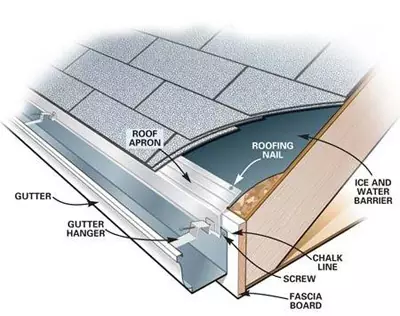
Can Damaged Flashing Be Repaired Without Disturbing the Roof?
Not always.
Some components are installed underneath surrounding roofing materials.
Examples may include:
- Step flashing
- Wall flashing
- Chimney flashing
- Drip edge
- Certain roof penetrations
Completing a proper repair may require shingles or other materials to be removed or manipulated to access the damaged component.
That can create additional repairability concerns, especially when the surrounding roof is older or brittle.
Should I Just Let the Contractor Perform Whatever Repair Was Approved?
The repair still needs to be technically sound.
An insurance estimate does not change how a roofing or siding product must be installed.
The work should follow applicable manufacturer requirements and accepted installation practices.
If the approved repair cannot be completed properly, that should be documented before simply moving forward and hoping the repair works.
A poor repair can create additional problems later.
What Documentation Helps When a Repair Is Disputed?
The strongest documentation is usually specific and construction-focused.
Helpful items may include:
- Detailed photographs
- Measurements
- Manufacturer installation instructions
- Repairability testing
- Material identification
- Contractor reports
- Explanations of the installation sequence
- Photos showing surrounding material breaking during testing or repair
These types of records can help clearly explain why a repair may or may not be feasible.
Instead of simply saying, “This cannot be repaired,” the documentation should help show why.
Can I Ask the Insurance Company to Inspect the Property Again?
Yes.
If there is a legitimate concern that damage was missed or that the approved repair is not feasible, homeowners can ask the insurance company whether another inspection or review is available.
Providing new information can make that request more useful.
For example, a reinspection request may include:
- Repairability findings
- Material availability information
- Photographs
- Manufacturer requirements
- Contractor documentation
- Newly discovered damage
The insurance company can then review that additional information and determine whether the original scope should change.
An Approved Repair Still Has to Be a Proper Repair
The biggest takeaway is simple:
An approved repair still needs to work.
The construction requirements of the roof, siding, flashing, or other damaged material do not change because an insurance estimate identifies a repair instead of replacement.
If the proposed repair is not feasible, the issue should be documented clearly and submitted for review.
The contractor’s role is to explain the construction facts.
The insurance company’s role is to determine how those facts apply to the claim and policy.
Need Help Evaluating Whether a Storm-Damaged Roof Can Be Repaired?
American Quality Homes can inspect storm-damaged roofing and exterior materials, evaluate repairability, document material conditions, and explain the construction requirements involved in completing a proper repair.
If an approved repair does not appear practical, we can help document why and provide construction-related information that can be submitted to the insurance company for review.
For questions, contact American Quality Homes at 920-659-0012.
Come home to quality.
Previous in the Series: Think Damage Was Missed?
If you believe the first insurance inspection may not have identified all of the storm damage to your home, read the previous article in this series:
Previous Article: Think Your Insurance Adjuster Missed Storm Damage? Here’s What to Do
Next in the Series: My Claim Was Denied or Partially Denied
What happens if the insurance company denies part of your storm damage claim or does not agree with the contractor’s findings?
In the next article, we explain why homeowners should ask for a written explanation, what additional documentation may help, when another inspection may be appropriate, and when outside professional help may be worth considering.
Next Article: Storm Damage Claim Denied? Steps Wisconsin Homeowners Can Take Next
Previous Article: Think Your Insurance Adjuster Missed Storm Damage? Here’s What to Do