After a major storm, it is easy to assume that the first inspection will identify every damaged part of your home.
Sometimes it does.
Sometimes it does not.
Storm damage can affect far more than the most obvious areas, and some problems may not be visible from the ground or immediately noticeable during the first inspection.
If you believe something was missed, that does not necessarily mean the claim is over. Homeowners can often provide additional documentation and ask the insurance company to review damage that may have been overlooked.
The key is documenting what you find and understanding what areas of the home may deserve a closer look.
What If the Adjuster Did Not Identify All of the Damage?
If you notice damage that was not included in the original insurance estimate, document it as soon as possible.
Useful documentation may include:
- Photographs
- Contractor inspection findings
- Measurements
- Written explanations
- Material information
- Additional observations from the property
Homeowners can usually provide additional information and ask the insurance company to review damage that may have been overlooked.
The more specific the documentation is, the easier it becomes to understand exactly what is being questioned.
Can My Roof Be Damaged Even If It Is Not Leaking?
Yes.
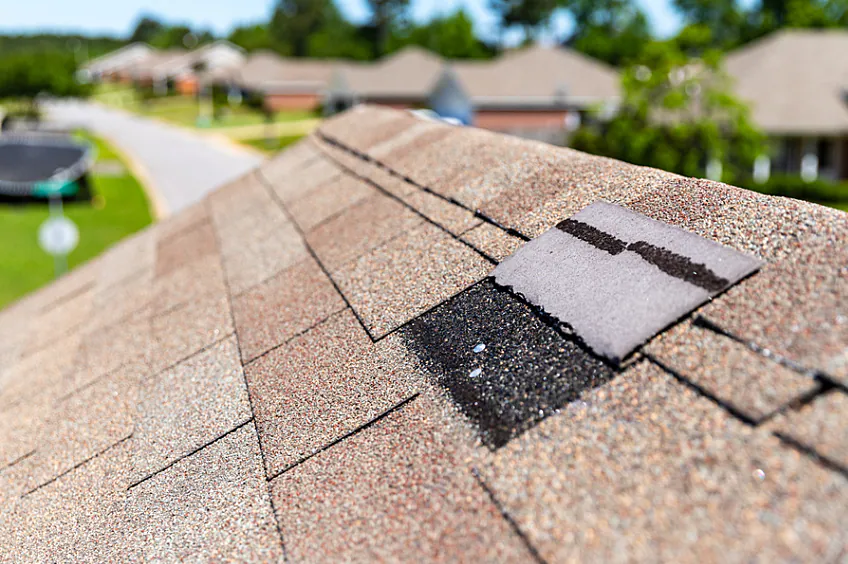
A roof does not have to be actively leaking for storm-related damage to exist.
Wind, flying debris, impact damage, lifted shingles, damaged flashing, and other problems may be present before a visible interior leak ever develops.
That is one reason a roof inspection can be important after severe weather.
A roof may still look generally intact from the ground while individual shingles, edges, flashings, vents, or other components have been affected.
What Siding Damage Should Homeowners Look For?
Storm-related siding damage can take several forms.
Things to watch for include:
- Cracks
- Punctures
- Dents
- Loose panels
- Missing pieces
- Warping
- Impact marks
- Siding that no longer sits correctly against the home
These conditions may be easier to see from certain angles or under different lighting conditions.
Damage can also occur on only one elevation of the home depending on wind direction and where debris traveled during the storm.
Can Gutters and Downspouts Be Included in Storm Damage?
Yes, if they were damaged by the covered storm.
Gutters and downspouts can be affected by hail, wind, falling branches, and flying debris.
Damage may include:
- Dents
- Crushed sections
- Pulled or loosened fasteners
- Separation
- Impact marks
- Bent or displaced sections
These areas should be photographed and documented if damage is found.
What About Fascia and Soffit?
Fascia and soffit can also be affected during severe weather.
Wind can loosen or remove sections, while flying debris can dent, crack, or puncture these components.
Even when a section is still partially attached, it may have been damaged and should be documented.
These components can be easy to overlook because homeowners tend to focus first on the roof and siding.
Can Windows Be Damaged Without Broken Glass?
Absolutely.
A window can suffer storm-related damage without the glass shattering.
Possible damage can involve:
- Screens
- Frames
- Seals
- Trim
- Glazing
- Hardware
- Exterior wraps
A window may also begin operating differently after a storm even when there is no obvious visible break.
That is why changes in how windows open, close, seal, or lock can be worth documenting.
What If My Doors or Garage Door Are Not Working Correctly?
If a door or garage door suddenly begins operating differently after a storm, it may be worth having it inspected.
Changes in operation can sometimes indicate impact, movement, or structural issues.
Things worth noting include:
- Doors that suddenly stick
- Garage doors that bind
- Tracks that appear bent
- Panels that are dented
- Hardware that has shifted
- Doors that no longer close or seal properly
If the problem began after the storm, document when you first noticed it.
Can Interior Water Damage Be Part of the Claim?
It may be, depending on how the water entered the home and the terms of the policy.
If you notice interior damage, document it quickly.
Examples include:
- Ceiling stains
- Wet drywall
- Damaged insulation
- Flooring damage
- Water around windows
- Damaged personal property
Photographs taken shortly after the damage is discovered can be especially helpful.
Do not simply paint over stains or cover damaged areas before documenting what happened.
Should the Attic Be Inspected Too?
Yes.
Attic damage may not be visible during an exterior inspection.
Possible concerns can include:
- Roof openings
- Wind-driven rain
- Damaged vents
- Displaced insulation
- Moisture
- Water staining
- Wet decking or framing
These types of problems can sometimes be missed if the inspection focuses only on the outside of the home.
If you notice new moisture, odors, staining, or changes in insulation after the storm, the attic may deserve a closer look.
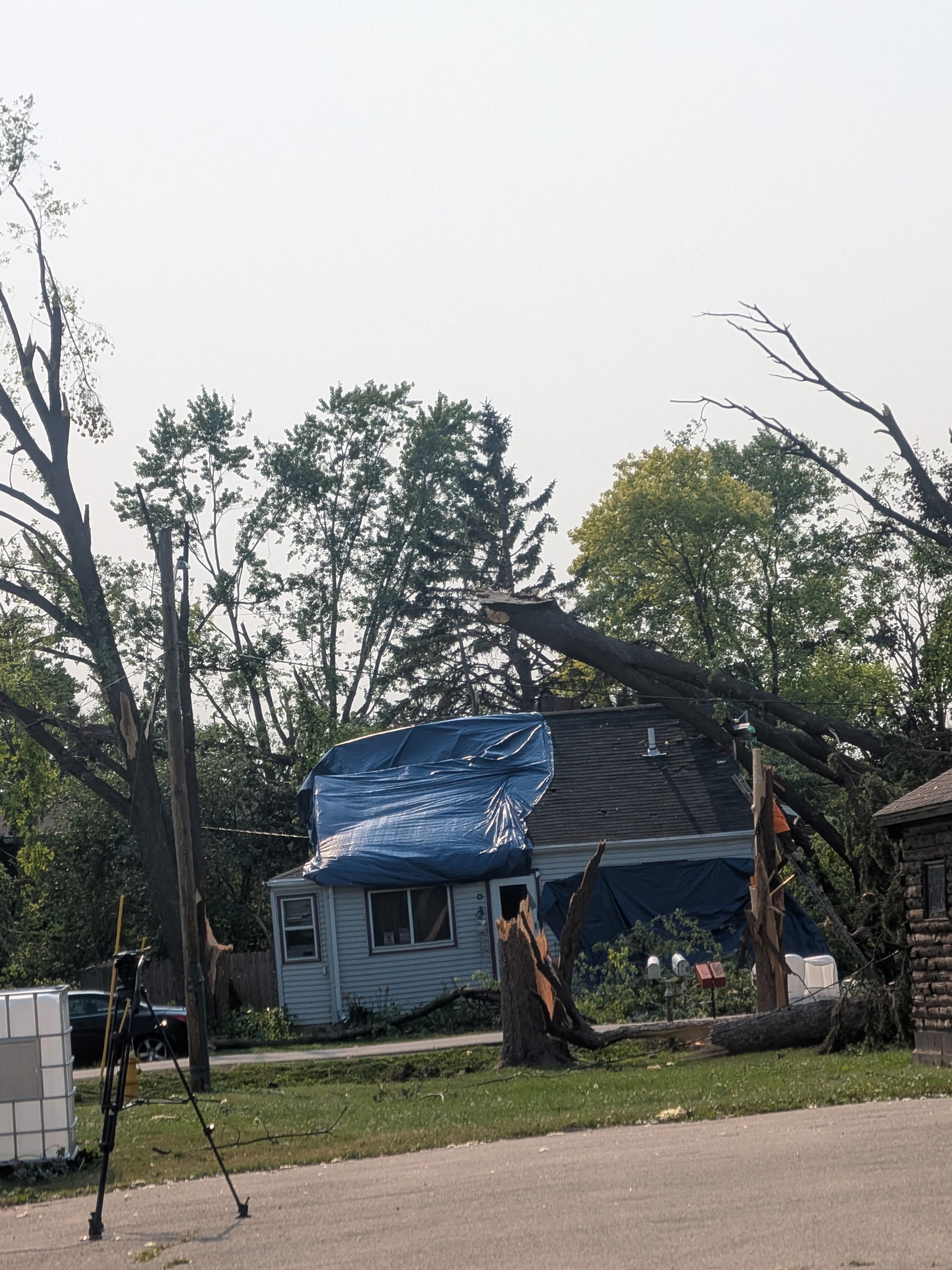
What If a Tree or Large Branch Hit the House?
Tree impact can affect multiple parts of a home.
Damage may involve:
- Roofing
- Decking
- Framing
- Siding
- Gutters
- Windows
- Interior finishes
Even after the tree or debris has been removed, the impacted area should still be carefully inspected for hidden damage.
Something that looks minor from the outside may have affected underlying materials.
Can Personal Property Be Part of a Storm Claim?
Depending on the coverage, damaged personal property may also be part of the claim.
If belongings were damaged, create a detailed list and gather as much information as possible.
Helpful documentation may include:
- Photographs
- Receipts
- Model numbers
- Serial numbers
- Replacement pricing
- Purchase records
Your insurance company can explain what documentation is required for your specific policy.
What Should I Do If I Find New Damage Later?
Document it immediately.
Do not assume that something cannot be reviewed simply because it was not included in the first estimate.
Take photographs, note when the damage was discovered, and contact your insurance company or claim representative.
If a contractor identifies additional construction-related damage, ask for clear photographs and written documentation showing what was found.
The First Insurance Estimate Is Not Always the Whole Story
The first inspection and estimate provide a starting point, but they may not always identify every damaged component of a property.
Storm damage can be spread across the roof, siding, gutters, windows, attic, exterior trim, interior finishes, and other areas.
The important thing is to pay attention to changes in the home after the storm and document anything that looks or operates differently.
If something appears to have been missed, additional documentation can help everyone involved understand the issue more clearly.
Need Help Documenting Storm Damage?
American Quality Homes can inspect construction-related storm damage, take photographs, document affected components, and help homeowners understand what may need additional review from the insurance company.
Our role is to document the condition of the home and explain the construction side of the repair process.
For questions, contact American Quality Homes at 920-659-0012.
Come home to quality.
Previous in the Series: Understanding Your Insurance Estimate
If you are still trying to understand terms like ACV, RCV, depreciation, deductibles, or supplements, start with the first article in this series:
Previous Article: How to Understand Your Roof Insurance Estimate: ACV, RCV, Depreciation & More
Next in the Series: Insurance Only Approved a Repair
Sometimes the insurance company acknowledges storm damage but only approves a repair.
What happens if the material cannot be properly repaired, the existing product is no longer available, or the new material will not reasonably match?
In the next article, we explain repairability, matching concerns, brittle materials, flashing issues, and what documentation may help when an approved repair does not appear practical.
Next Article: Insurance Only Approved a Repair: What Happens If the Roof Can’t Be Properly Repaired?
Previous Article: How to Understand Your Roof Insurance Estimate: ACV, RCV, Depreciation & More